


“MIKTA for Change: Screen & Dialogue on SDGs” Showcases Diplomacy, Film, and Youth Voices in Advancing Sustainable Action
KIC FISIP UI, in collaboration with the Embassy of the Republic of Korea as MIKTA Chair 2025, held “MIKTA for Change: Screen & Dialogue on SDGs” at Universitas Indonesia, bringing together diplomats, academics, and students from MIKTA countries. Through student presentations, a diplomatic panel, and short film screenings, the event highlighted the role of middle-power cooperation and youth engagement in advancing the Sustainable Development Goals.
NEWS
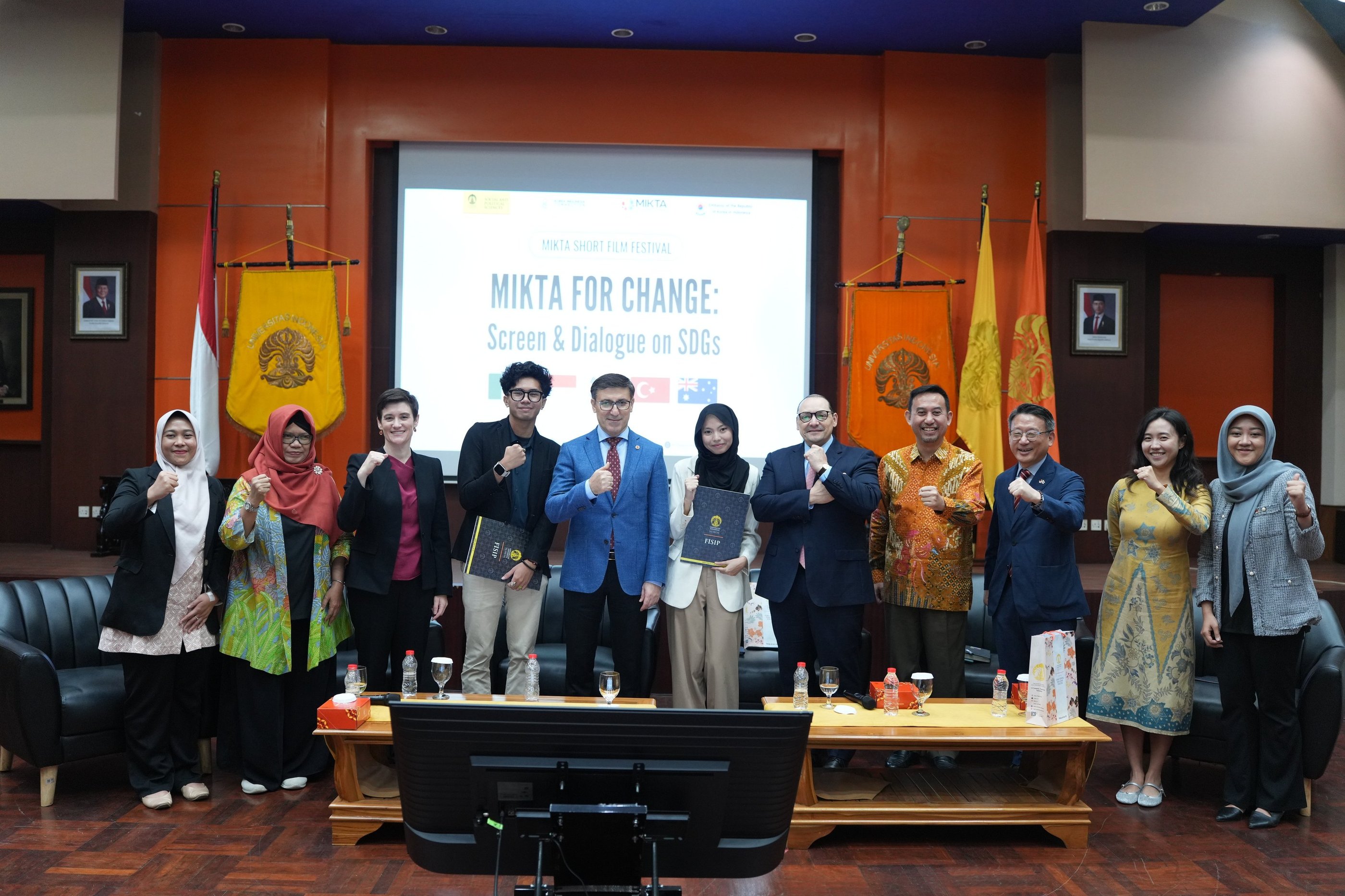
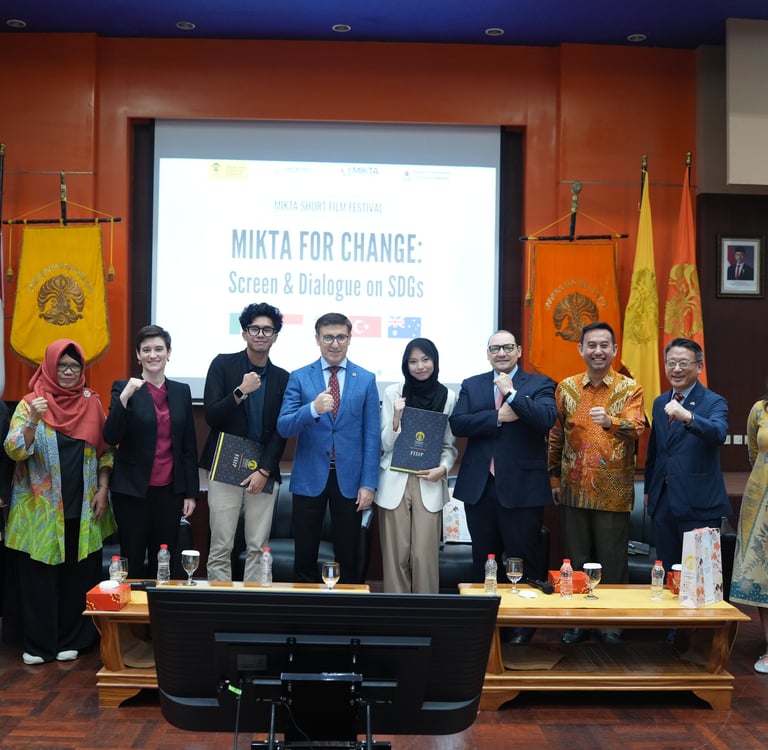
Depok, November 27, 2025 – MIKTA for Change: Screen & Dialogue on SDGs, a collaborative program organized by the Korea-Indonesia Connection (KIC) FISIP Universitas Indonesia and supported by the Embassy of the Republic of Korea as 2025 MIKTA Chair, was officially held on Thursday, November 27, 2025 at the Juwono Sudarsono Auditorium, Faculty of Social and Political Science, Universitas Indonesia. The program brought together ambassadors, senior diplomats, academics, and students to explore how middle-power cooperation can accelerate SDG progress and strengthen multilateral collaboration. The event combined student presentations, a MIKTA diplomatic panel, and a short film showcase from all five MIKTA countries (Mexico, Indonesia, the Republic of Korea, Türkiye, and Australia) to strengthen public understanding of sustainable development and the role of the younger generation in global diplomacy.
The event opened with remarks from the Head of FISIP UI and representatives of the Embassy of the Republic of Korea. In his remarks, H.E. Park Soo-Deok as Chargé d’affaires of the Republic of Korea to Indonesia emphasized the importance of middle-power diplomacy and the role of MIKTA in facilitating cross-regional cooperation. “The younger generation has a crucial role in strengthening public diplomacy. Through dialogue spaces like this, students can build a global perspective and be directly involved in efforts to achieve the SDGs,” said H.E. Park Soo-Deok in his opening remarks.
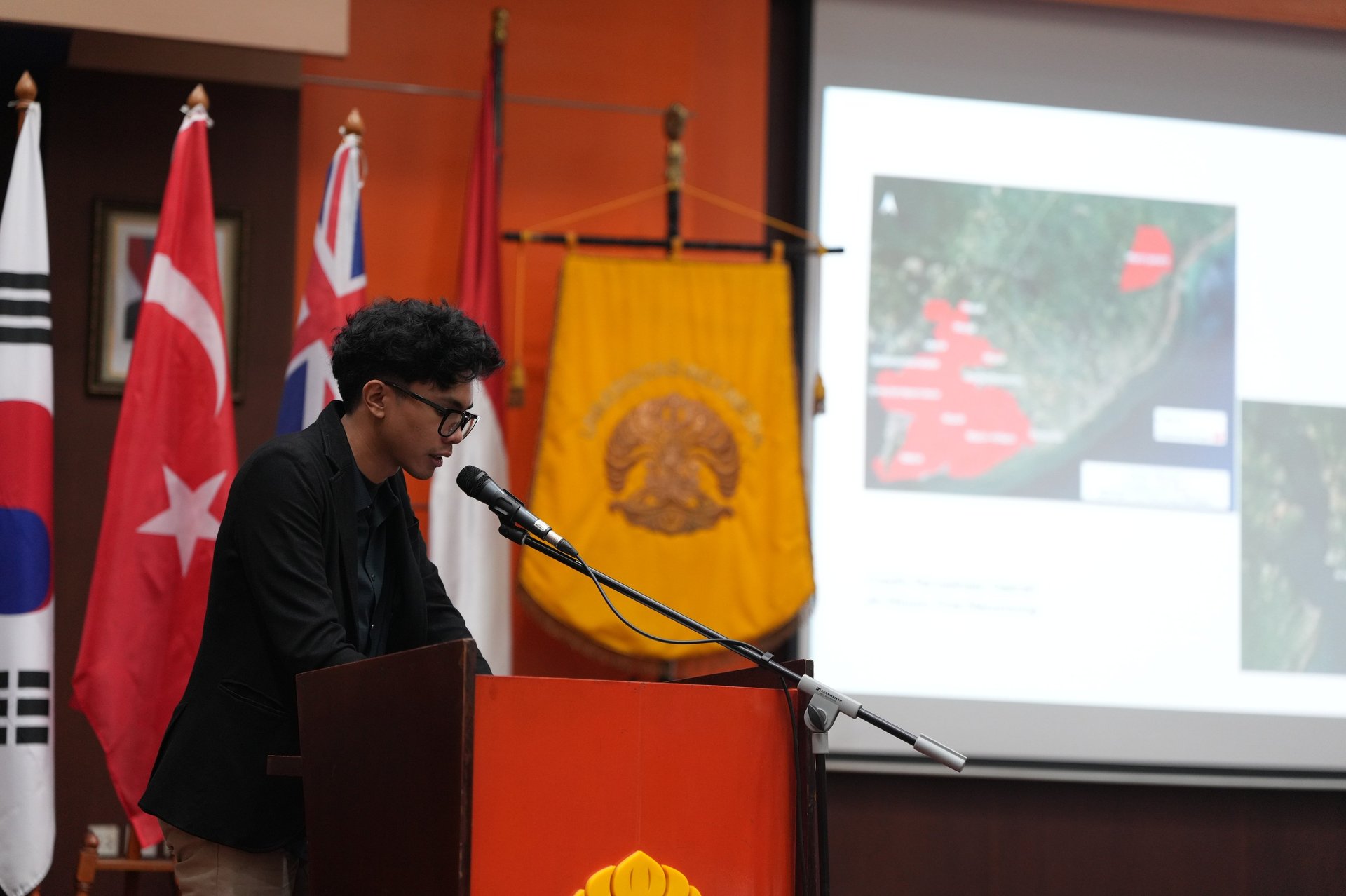
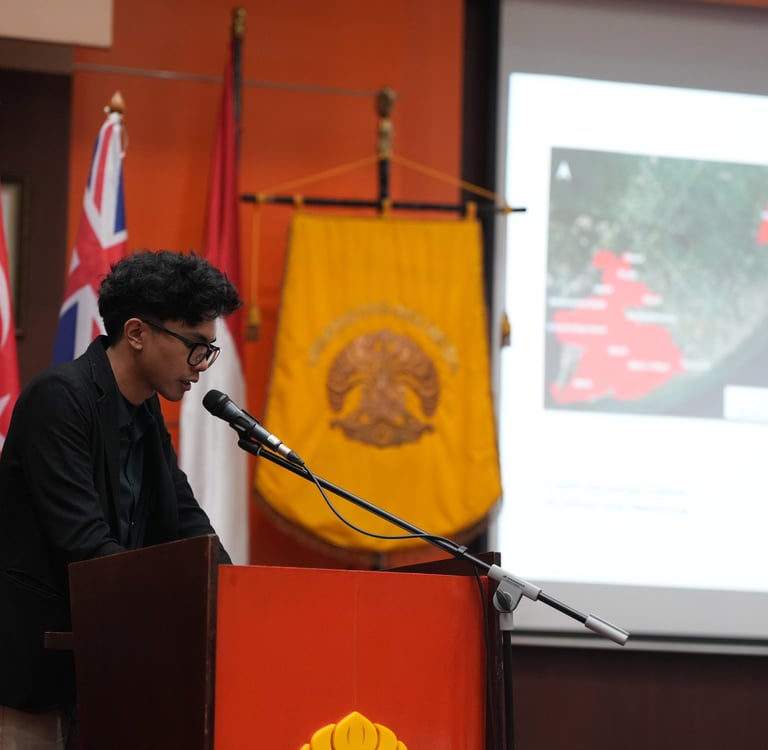
The series of events continued with presentations from two student representatives. M. Althaf Yusfid, S.Sos (a student from the Department of Social Anthropology) explained the challenges of water infrastructure in Balikpapan in relation to SDG 6 (Clean Water and Sanitation), while Amare Myheart Ono (a student from the Department of Social Welfare) presented a study on the stigma of English and its impact on access to inclusive education in relation to SDG 4 (Quality Education). Both presentations emphasized the contribution of young academics in responding to development issues through scientific and social approaches.
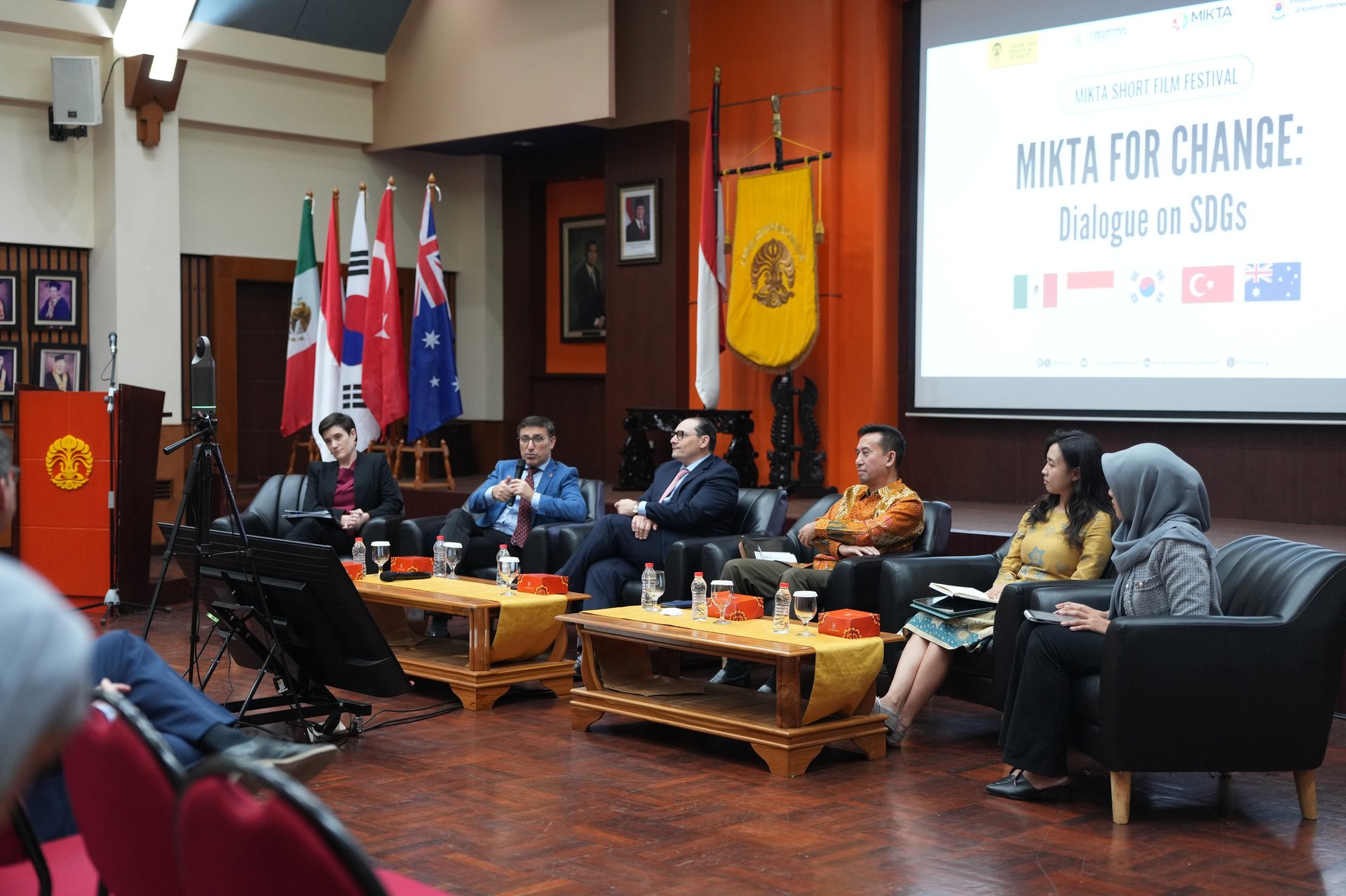
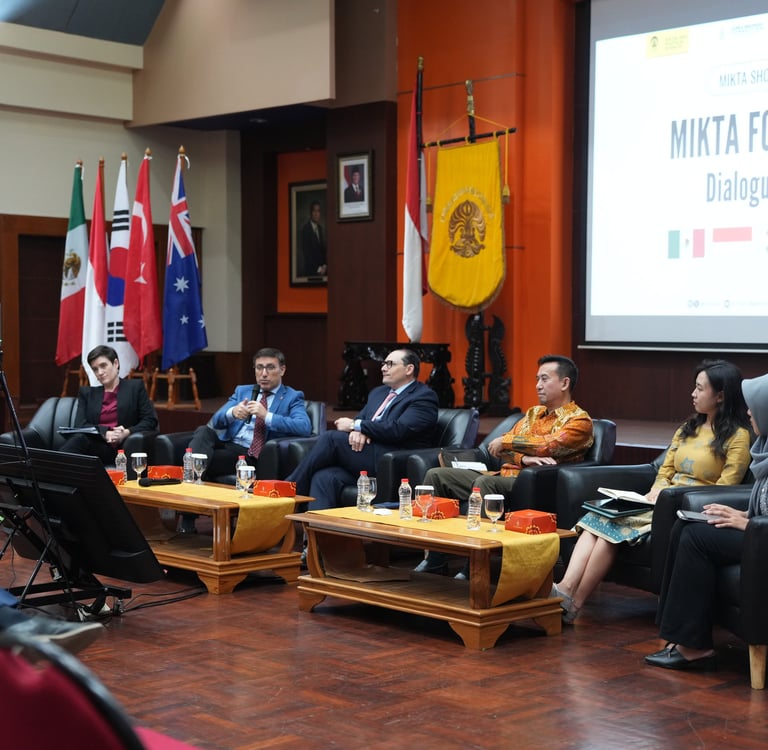
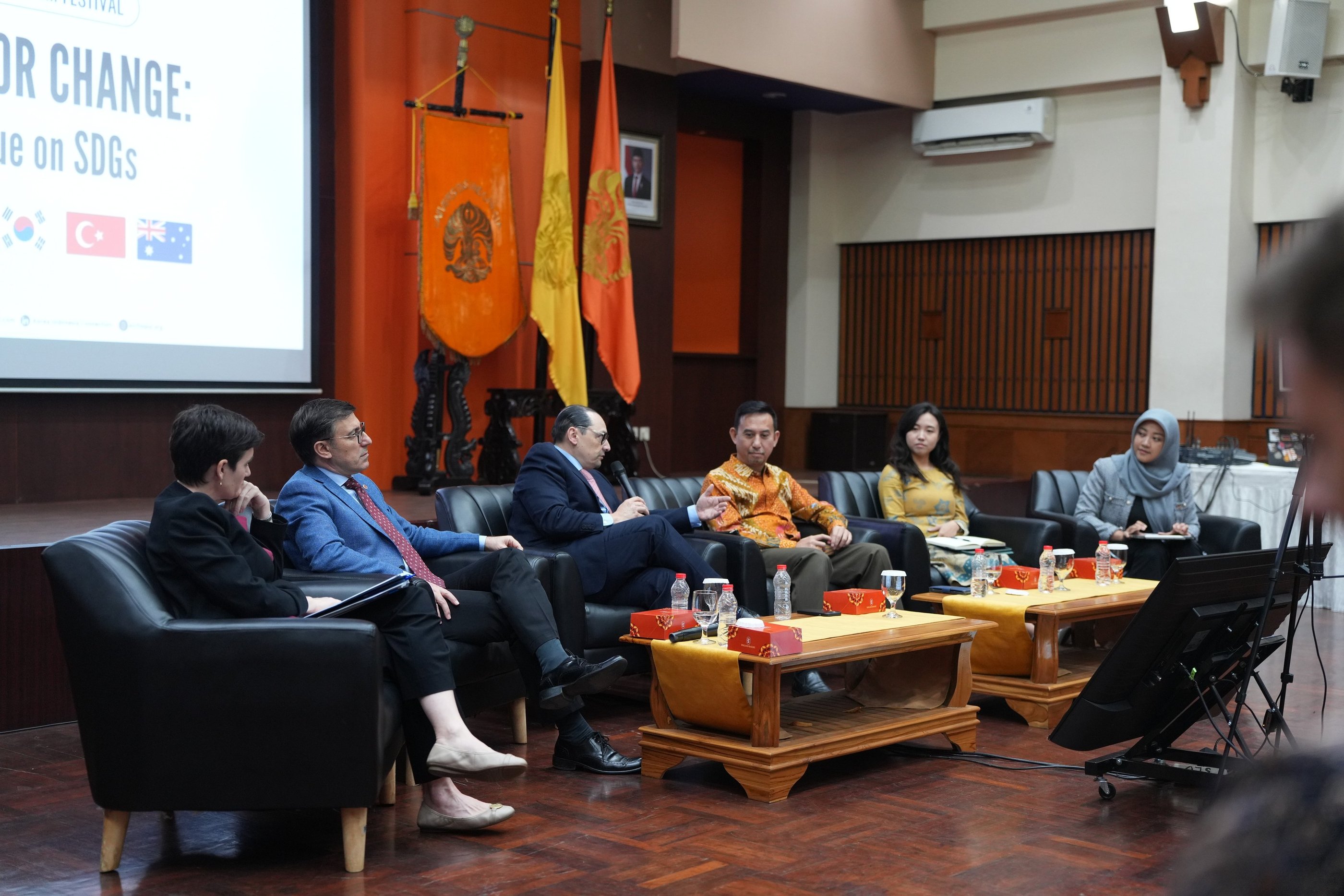
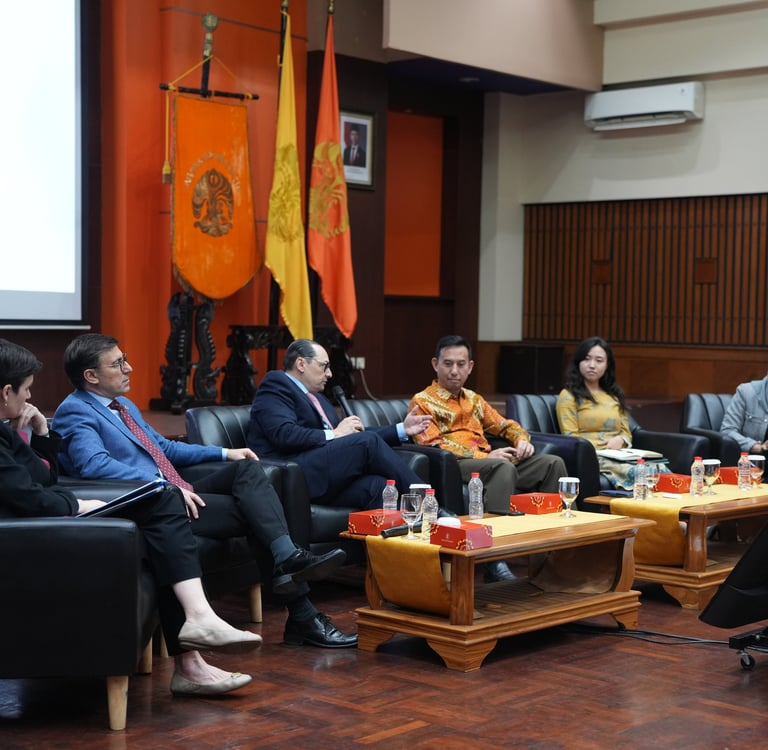
The keynote segment, MIKTA Dialogue on SDGs, featured five diplomatic speakers:
H.E. Francisco de la Torre, Ambassador of Mexico to Indonesia
Agustaviano Sofyan, Senior Policy Advisor for Multilateral Cooperation, Ministry of Foreign Affairs, Republic of Indonesia
Seo Jeong Eun, Second Secretary to the Chargé d'affaires, Republic of Korea
H.E. Talip Küçükcan, Ambassador of Türkiye to Indonesia
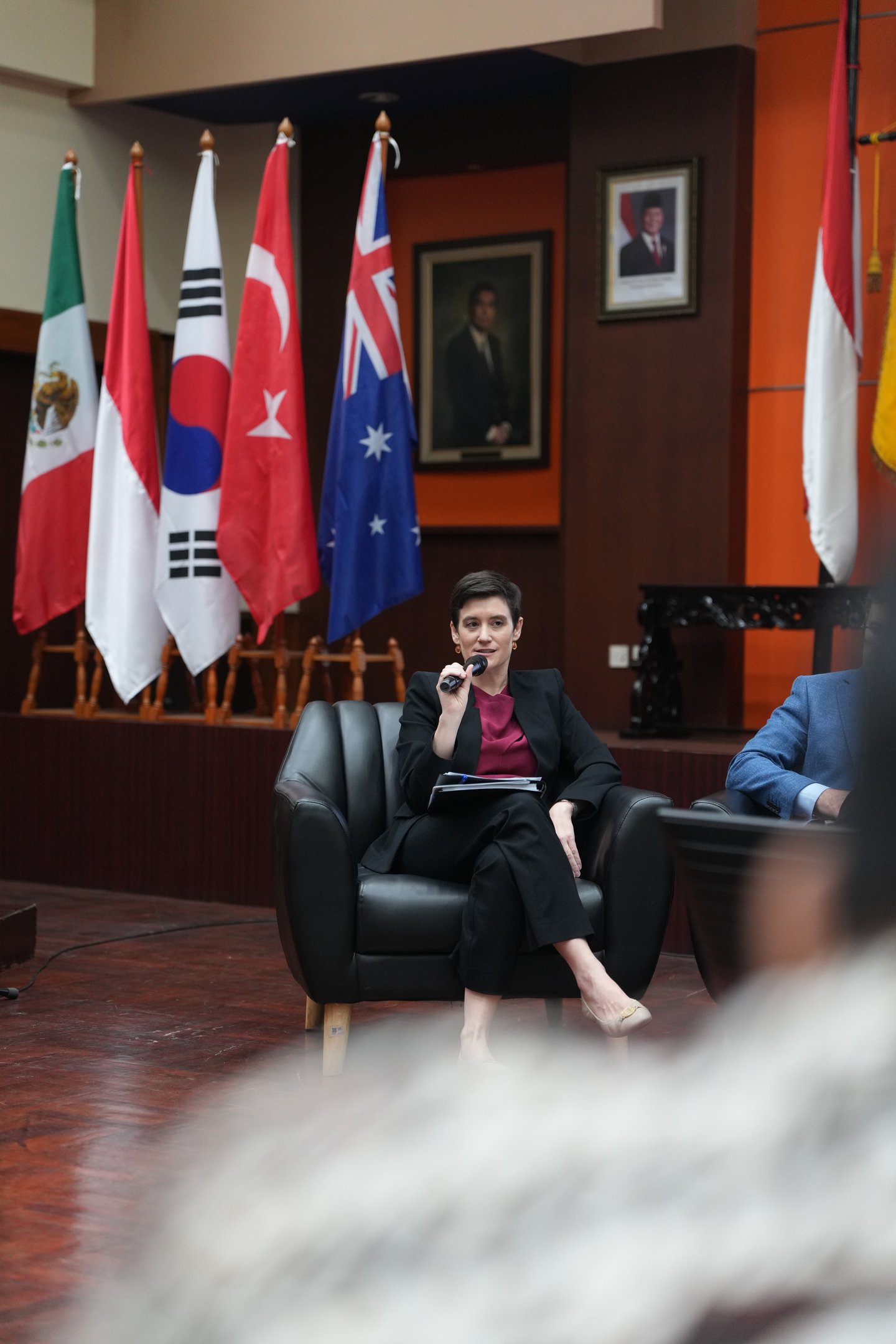
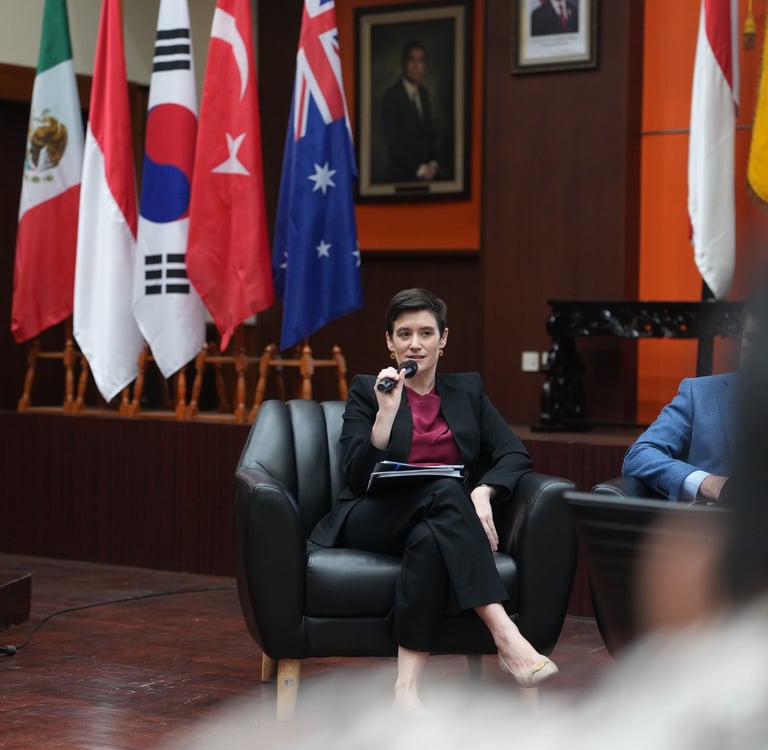
Nicola Campion, Minister Counsellor for Political and Strategic Communication, Australia
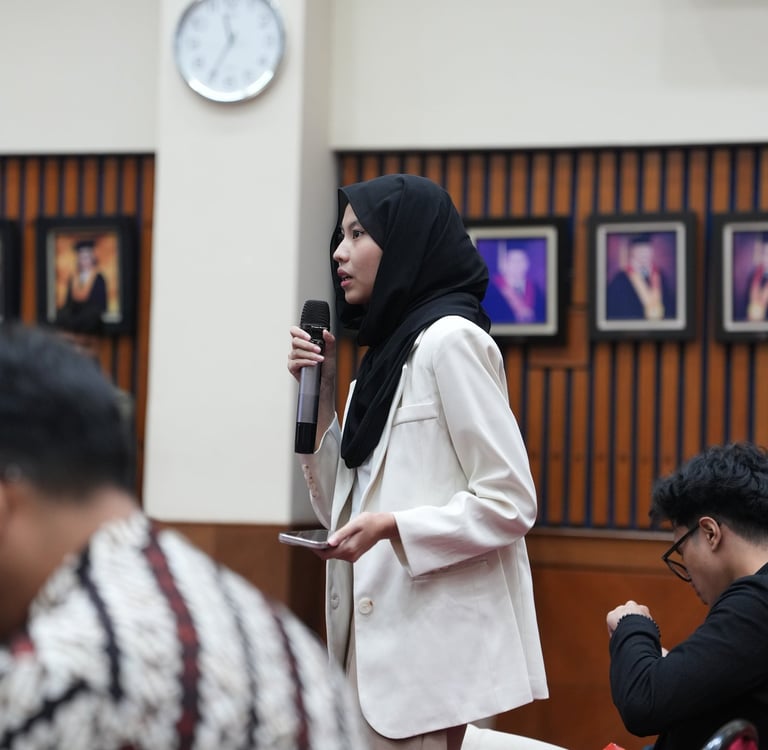
Moderated by Intan Syafira Gustia, M.A., the panel delivered short country interventions outlining national SDG priorities, shared global challenges, and concrete examples of how MIKTA’s role in multilateralism and cross-region cooperation. In addition, all five countries also emphasized youth empowerment, education, gender equality, humanitarian cooperation, and the urgency of the 2030 SDG deadline as key shared priorities. "MIKTA demonstrates that cooperation can be built through equality and openness. In diversity, we find the strength to navigate global challenges," said H.E. Francisco de la Torre.
At the short film screening session, participants were invited to watch five works from MIKTA countries:
Meksiko - Woman of the Earth/Mujer de tierra (2021, directed by Evelyn Mercedes Muñoz Marroquí)
Indonesia - Bale (2022, directed by Rahmad Larae)
Korea - The Stars Whisper/별들은 속삭인다 (2018, directed by Yeo Seon-Hwa)
Türkiye - Lack/Eksik (2019, directed by Volka Budak)
Australia - What Was It Like? (2020, directed by Genevieve Clay-Smith)
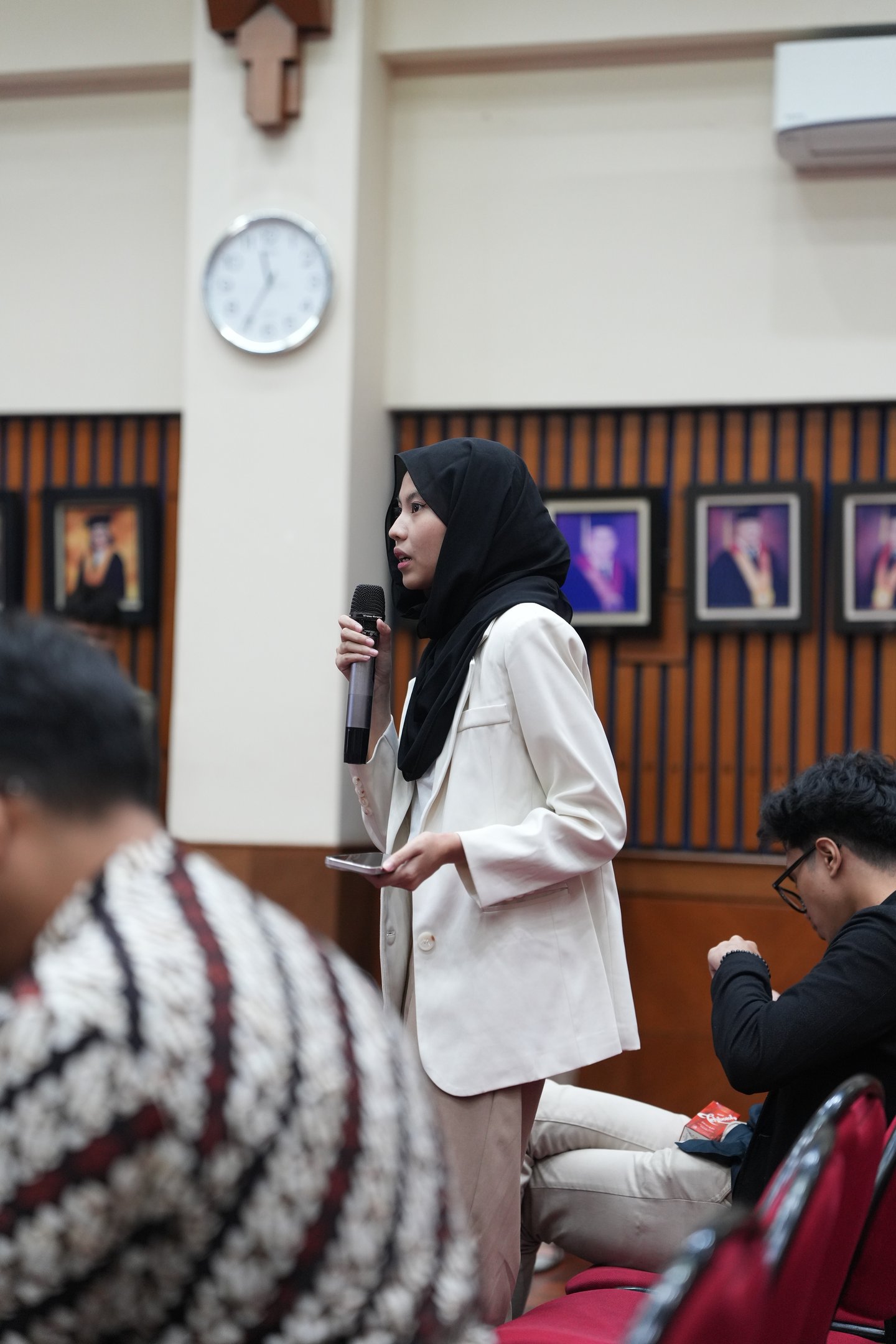
The curated films addressed a range of SDGs—including Gender Equality, Reduced Inequalities, Sustainable Cities and Communities, Zero Hunger, and Quality Education—demonstrating how visual media can serve as a powerful tool for global awareness and social change. The film screening left a lasting impression on participants. "The films presented provided new perspectives on social issues in various countries. Each story prompted us to reflect on how the SDGs are present in real life and why the role of the younger generation is so crucial," said Zidny, one of the participating Universitas Indonesia students. This also emphasized the role of media as an effective tool for broadening public understanding and encouraging meaningful social change.
Through the implementation of MIKTA for Change: Screen & Dialogue on SDGs, KIC FISIP UI and the Embassy of the Republic of Korea hope that this activity can strengthen public understanding of MIKTA's role as a middle-power coalition and open up space for the younger generation to be involved in diplomacy and sustainable development actions.
According to Getar Hati, PhD, Director of KIC FISIP UI, “The organization of MIKTA for Change by KIC FISIP UI in collaboration with the Embassy of the Republic of Korea in Indonesia is an important moment, especially because this year Korea serves as the Chair of MIKTA and KIC FISIP UI is one of the significant forums and bridges in strengthening Indonesia-Korea relations. This event opens a strategic space for the younger generation to interact directly with diplomats and understand the important role of cooperation between middle power countries. Through dialogue and creative expression, students can understand the value of multilateralism more deeply and are encouraged to actively contribute to achieving the SDGs.”
FISIP UI, represented by Nurul Isnaeni, Ph.D., also emphasized its commitment to providing platforms that encourage critical thinking and international collaboration. "As an academic institution, FISIP UI is committed to creating a learning environment that encourages concern for humanitarian issues and global development. Through this activity, we hope students can understand diplomacy and the SDGs as a collective responsibility," said the Vice Dean for Academic, Research, and Student Affairs of FISIP UI.
Korea–Indonesia Connection
Bridging dialogue on Korea-Indonesia relations.
Contact us
Collaborate
kic.fisip.ui@gmail.com
© 2025. All rights reserved.